

Polyurea vs Epoxy Garage Floor: A Comprehensive Comparison
Polyurea and epoxy are the two most common professional garage floor coatings, but they perform differently under daily use. Epoxy costs $3 to $7 per square foot installed and lasts 5 to 10 years. Polyurea runs $5 to $12 and is designed to last 15 to 20 years. Elite Diamond Coatings specializes in polyaspartic systems, a high-performance branch of the polyurea family, serving homeowners across the Delaware Valley.
After installing countless coated garage floors across the Delaware Valley, we've seen one consistent pattern: polyurea-based systems outperform standard epoxy in the conditions Delaware Valley garages actually face. The differences come down to three things: how fast each cures, how each handles freeze-thaw cycling, and how each ages under UV exposure. This guide breaks down the performance, cost, and long-term value of each system so you can pick the one that fits your garage and budget.
How Each System Performs in a Residential Garage
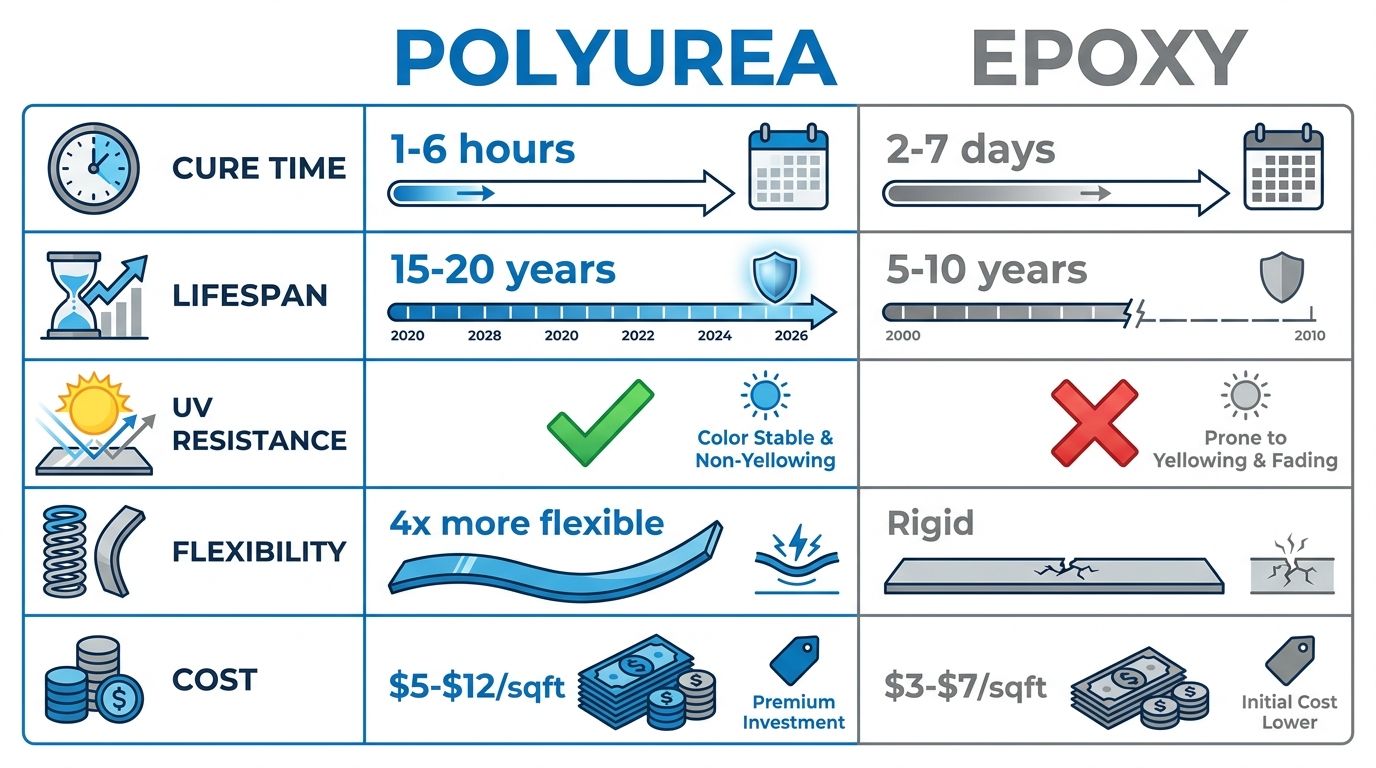
The performance gap between epoxy and polyurea shows up most clearly in three areas that matter for daily garage use.
Cure Time and Downtime
Standard epoxy takes 2 to 7 days before light vehicle traffic, depending on the formulation. Polyurea-based systems cure in one to six hours for foot traffic and allow vehicles within 24 hours. For homeowners with a single garage, polyurea's faster cure means one day without parking versus a full week.
Durability Under Traffic
Epoxy is rigid. It bonds well to concrete but can't flex with thermal expansion and contraction. In garages that experience Delaware Valley temperature swings, that rigidity leads to micro-cracking over time. Polyurea is elastomeric. It stretches up to four times more than epoxy without losing adhesion, which is why it handles freeze-thaw stress better.
UV Resistance
Epoxy yellows when exposed to sunlight, a common problem in garages with south-facing doors that stay open during summer. Polyurea and polyaspartic systems resist UV degradation, maintaining their color and gloss for the full 15- to 20-year lifespan without additional UV-protective topcoats.
Cost Comparison for Delaware Valley Garages
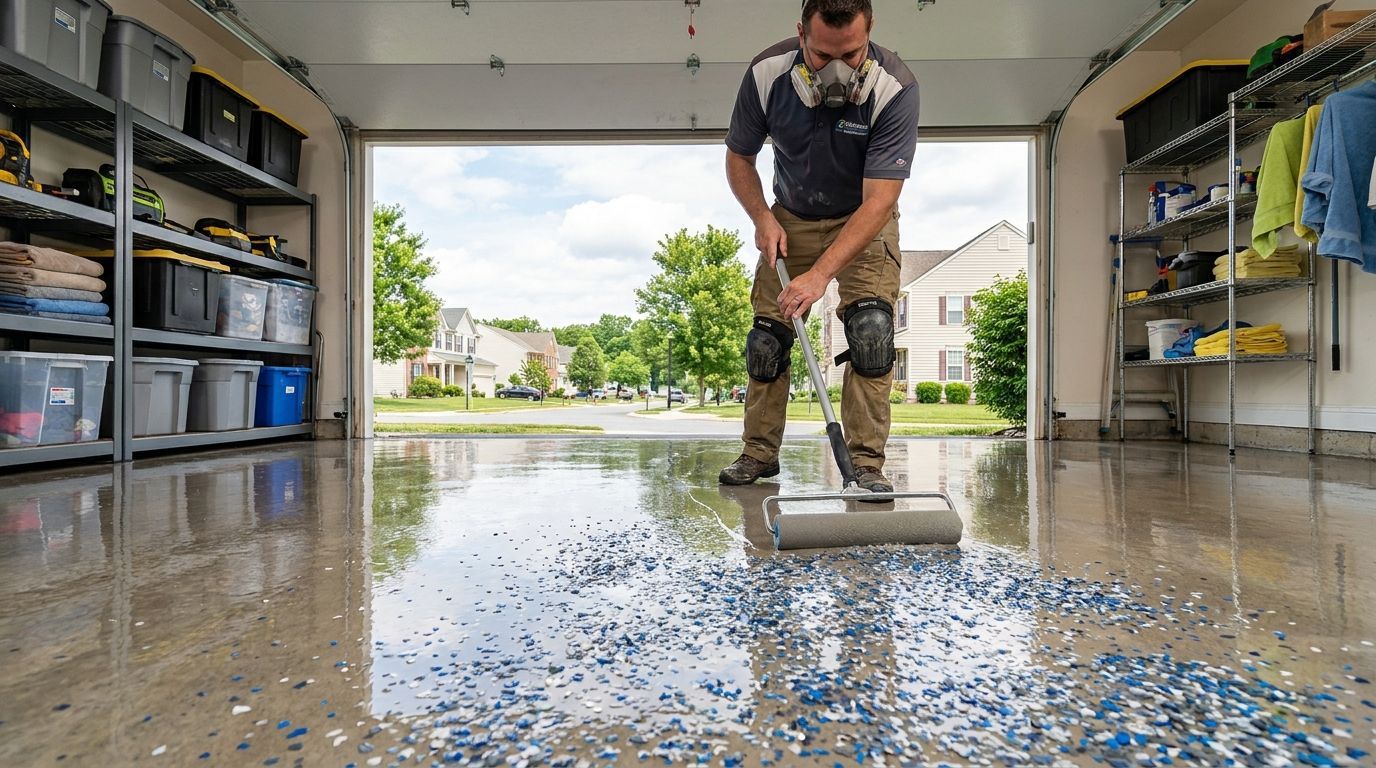
Upfront cost favors epoxy. Long-term cost favors polyurea.
- Epoxy (standard): $3 to $7 per square foot installed. A 500-square-foot two-car garage runs $1,500 to $3,500. Expect to recoat every 5 to 10 years.
- Polyurea/polyaspartic: $5 to $12 per square foot. The same garage costs $2,500 to $6,000 but is designed to last 15 to 20 years without replacement.
Over a 20-year span, an epoxy floor that needs one recoat (including removal at $2 to $3 per square foot) can total $4,500 to $8,000. A single polyurea or polyaspartic install stays under $6,000 and carries a lifetime warranty. Kennett Square and Chester County homeowners regularly use third-party financing to spread the cost of a polyaspartic install.
Which System Fits Delaware Valley Conditions?
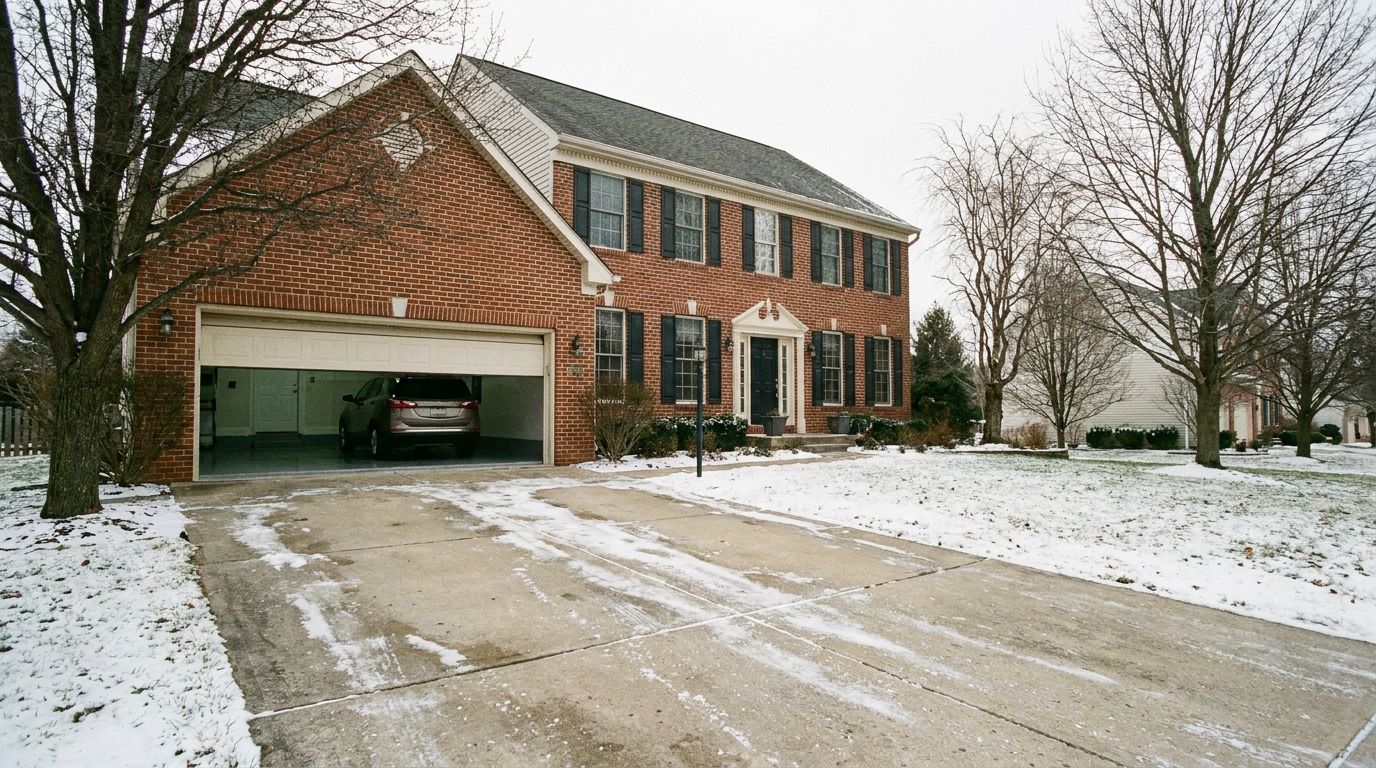
The Delaware Valley's 50 to 70 annual freeze-thaw cycles create unique stress on garage floor coatings. Road salt tracked in from winter driving compounds the problem, attacking both the coating surface and the concrete underneath. The effect is most visible in older garages across communities like Wilmington, Bel Air, and Paoli, where decades of salt exposure have already pitted the concrete underneath bare or thinly coated floors.
Epoxy handles indoor garage conditions adequately when installed correctly, but it fails faster in garages that experience regular temperature swings or direct sunlight. Polyurea-based coatings flex with the concrete, resist salt and automotive chemicals, and don't yellow from UV exposure.
Elite Diamond Coatings specifically installs polyaspartic systems, which sit within the polyurea family but cure even faster and offer slightly better chemical resistance than standard polyurea. If you're comparing quotes, ask whether the contractor is offering true polyurea, polyaspartic, or a hybrid system, the distinction affects both performance and price.
Frequently Asked Questions
Is polyurea better than epoxy for garage floors?
In most Delaware Valley garages, yes. Polyurea lasts 15 to 20 years compared to epoxy's 5 to 10, flexes with concrete through freeze-thaw cycles, and resists UV yellowing. The higher upfront cost pays for itself by eliminating the need for recoating within a decade.
What is the difference between polyurea and polyaspartic?
Polyaspartic is a subset of polyurea chemistry with a faster cure time and slightly different chemical structure. Both outperform standard epoxy, but polyaspartic cures quickly enough for same-day foot traffic. Elite Diamond Coatings uses polyaspartic as its primary concrete floor coating system for this reason.
How long does a polyurea garage floor coating last?
Professionally installed polyurea or polyaspartic garage floor coatings last 15 to 20 years in residential garages under normal vehicle traffic. Surface preparation quality, specifically diamond grinding rather than acid etching, is the single biggest factor in whether the coating reaches that full lifespan.
Pick the Right System for Your Garage
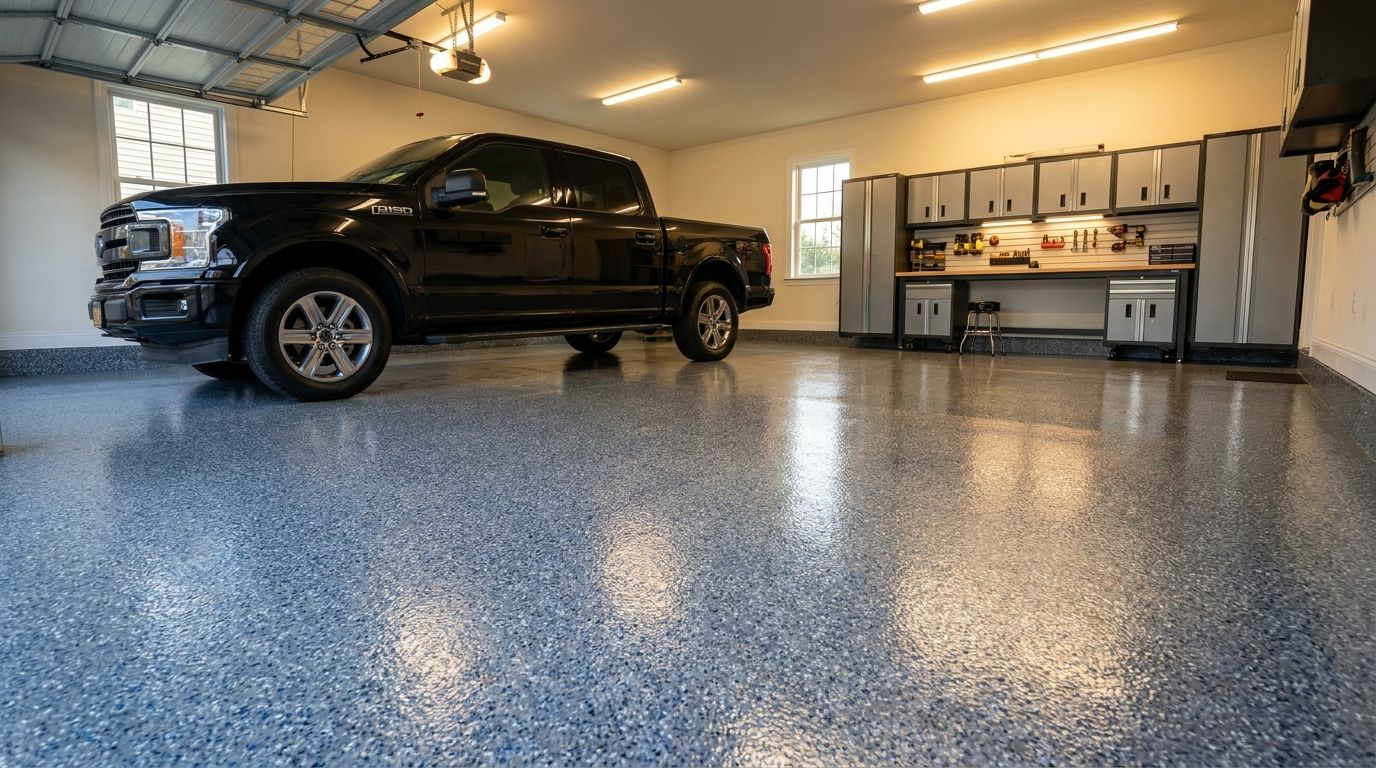
Both polyurea and epoxy can protect a garage floor, but the performance gap widens in climates with heavy seasonal cycling. If you're weighing long-term value against upfront cost, polyurea and polyaspartic systems deliver a lower cost per year of use.
For a concrete floor coating estimate tailored to your garage's condition and your budget, contact Elite Diamond Coatings at (443) 367-1355 .