

Polyaspartic vs Polyurea: Which Coating Is Best for Garages?
Polyaspartic and polyurea are both high-performance garage floor coatings, but they differ in UV stability, cure chemistry, and cost. Polyaspartic coatings resist yellowing and cure fast enough for vehicle use within 72 hours. Polyurea offers superior flexibility and chemical resistance, but costs more and requires precise installation conditions. Elite Diamond Coatings explains the real differences below.
Most homeowners assume polyaspartic and polyurea are interchangeable terms for the same product. They're actually different chemistries with different strengths. Choosing the wrong one for your Delaware Valley garage means paying for features you don't need while missing the ones you do.
What Makes Polyaspartic and Polyurea Different?
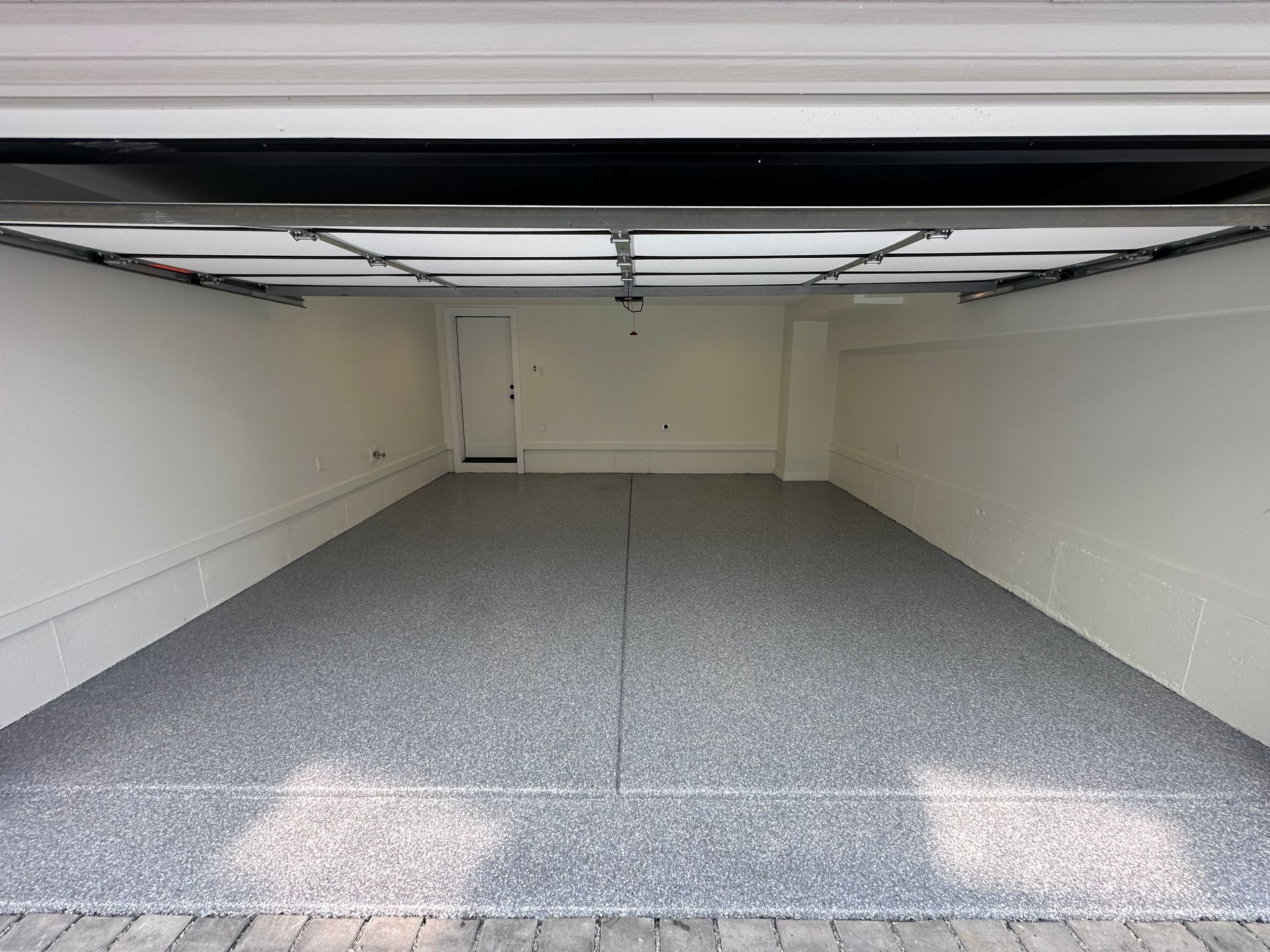
Both coatings belong to the polyurea family, but polyaspartic is a specific subtype engineered for floor coating applications. Understanding the chemistry helps explain why each performs differently in your garage.
- Polyaspartic coatings are an aliphatic polyurea variant formulated specifically for concrete floors. They cure through a two-component reaction between an isocyanate and a resin, reaching full hardness within hours rather than days.
- Polyurea coatings use a broader aromatic or aliphatic chemistry that cures almost instantly on contact. This rapid reaction requires specialized spray equipment and experienced applicators to avoid uneven coverage.
Polyaspartic is typically applied with rollers in residential flooring work, while pure polyurea's extremely fast cure time usually requires specialized spray equipment. That application method affects cost, finish quality, and which contractors can install it.
Performance Comparison for Delaware Valley Garages
Here's how each concrete coating stacks up across the factors that matter most for Delaware Valley garage floors:
- UV stability: Polyaspartic resists yellowing in sunlight. Aromatic polyurea yellows over time if your garage gets direct sun through windows or an open door.
- Cure time: Polyaspartic allows light foot traffic in 24 hours and vehicles in 72. Polyurea cures to the touch in seconds but needs 24 to 48 hours before heavy use.
- Flexibility: Polyurea stretches up to 400% before breaking, making it better for substrates that move. Polyaspartic flexes less but bonds harder to properly ground concrete.
- Chemical resistance: Both resist automotive fluids, salt, and household chemicals. Polyurea edges ahead against industrial solvents most homeowners never encounter.
- Cost: Polyaspartic runs $6 to $10 per square foot installed. Pure polyurea costs $8 to $14 per square foot because of equipment and application complexity.
For Delaware Valley garages facing freeze-thaw cycling, road salt tracked in from winter driving, and summer UV exposure, polyaspartic delivers the strongest balance of durability and value. Learn more about durable outdoor concrete coatings in our full guide.
Which Coating Should You Choose?
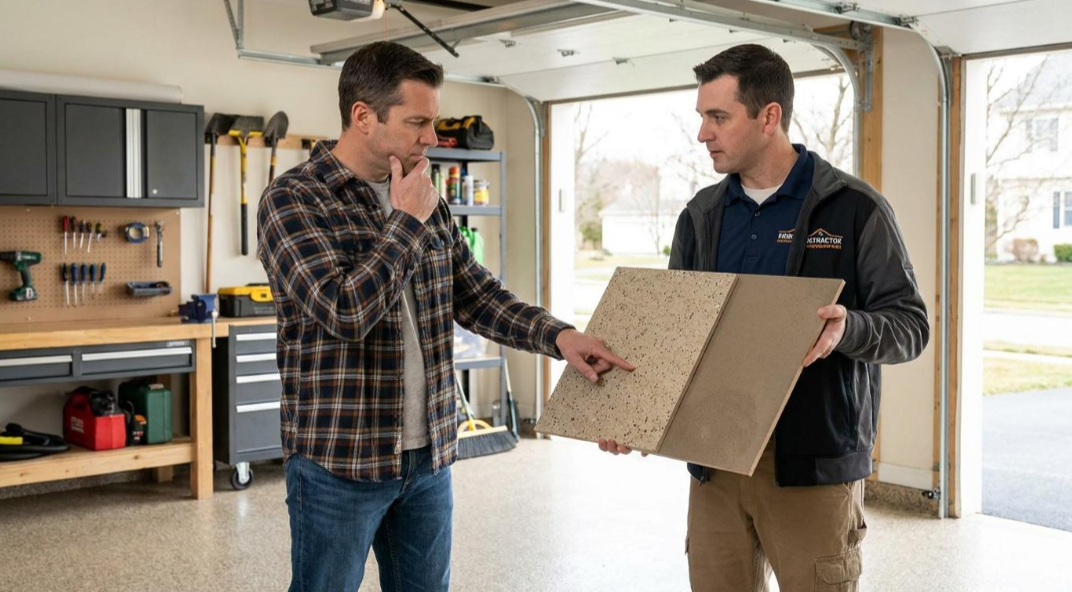
Your best option depends on your garage's specific conditions and your priorities.
Choose Polyaspartic If:
- Your garage gets direct sunlight and you want zero yellowing
- You need fast return-to-service (vehicles back in 72 hours)
- You want a proven residential garage floor system at a mid-range price
Choose Polyurea If:
- Your slab has significant movement or expansion joint activity
- You need maximum chemical resistance for a workshop environment
- Budget is secondary to raw flexibility and impact resistance
Elite Diamond Coatings installs polyaspartic systems as the primary garage floor coating across the Delaware Valley because it handles the region's climate demands without the premium cost or specialized equipment polyurea requires. For homeowners in Kennett Square, Wilmington, and everywhere between, polyaspartic is the coating that matches real-world garage conditions.
Frequently Asked Questions
Is polyaspartic the same thing as polyurea?
Polyaspartic is a subtype of polyurea, not a separate product category. It uses a modified aliphatic polyurea chemistry specifically engineered for floor coating applications. The key difference is how each cures, which affects application method, cost, and UV performance.
How long do polyaspartic garage floor coatings last?
Professionally installed polyaspartic coatings carry manufacturer ratings of 15–20 years under normal garage use and basic maintenance. Elite Diamond Coatings backs every polyaspartic installation with a lifetime warranty against peeling and delamination, which reflects confidence in the system's long-term bond strength.
Can you apply polyurea over an existing epoxy floor?
Applying polyurea directly over old epoxy isn't recommended without full surface preparation. The existing coating must be removed or mechanically abraded to create a proper bonding profile. Skipping this step traps the new coating on top of a weak layer that will eventually delaminate.
Find the Right Coating for Your Garage
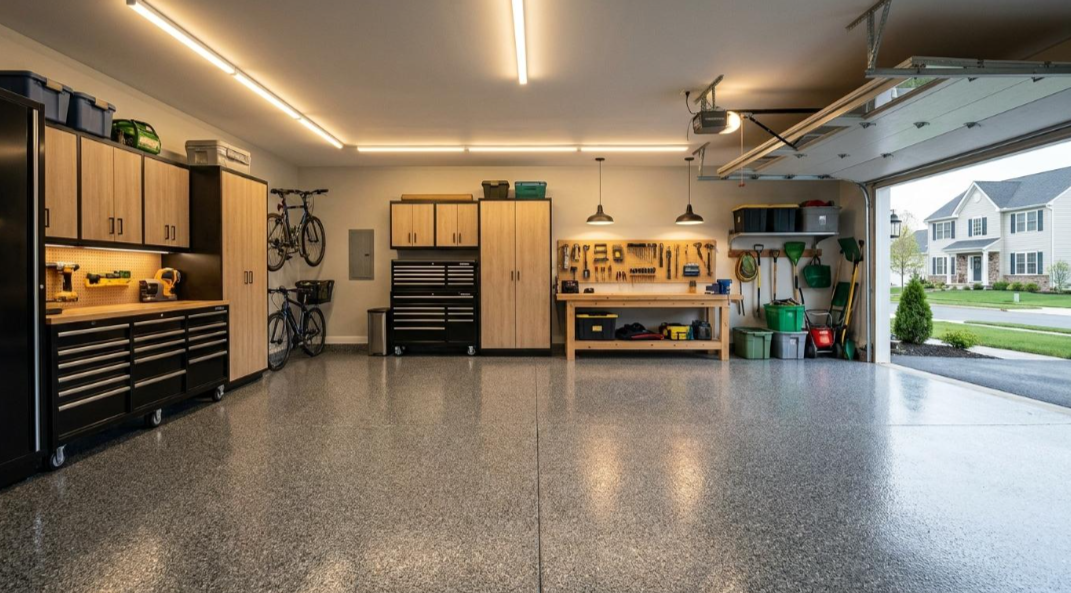
Polyaspartic and polyurea both outperform standard epoxy, but they serve different needs. Polyaspartic wins on UV stability, cure speed, and cost-effectiveness for residential garages. Polyurea earns its premium in high-flex, heavy-chemical environments that most homeowners don't need.
Contact Elite Diamond Coatings for a free consultation to find out which system best matches your garage's conditions, timeline, and budget.